

SPICY CANDY®
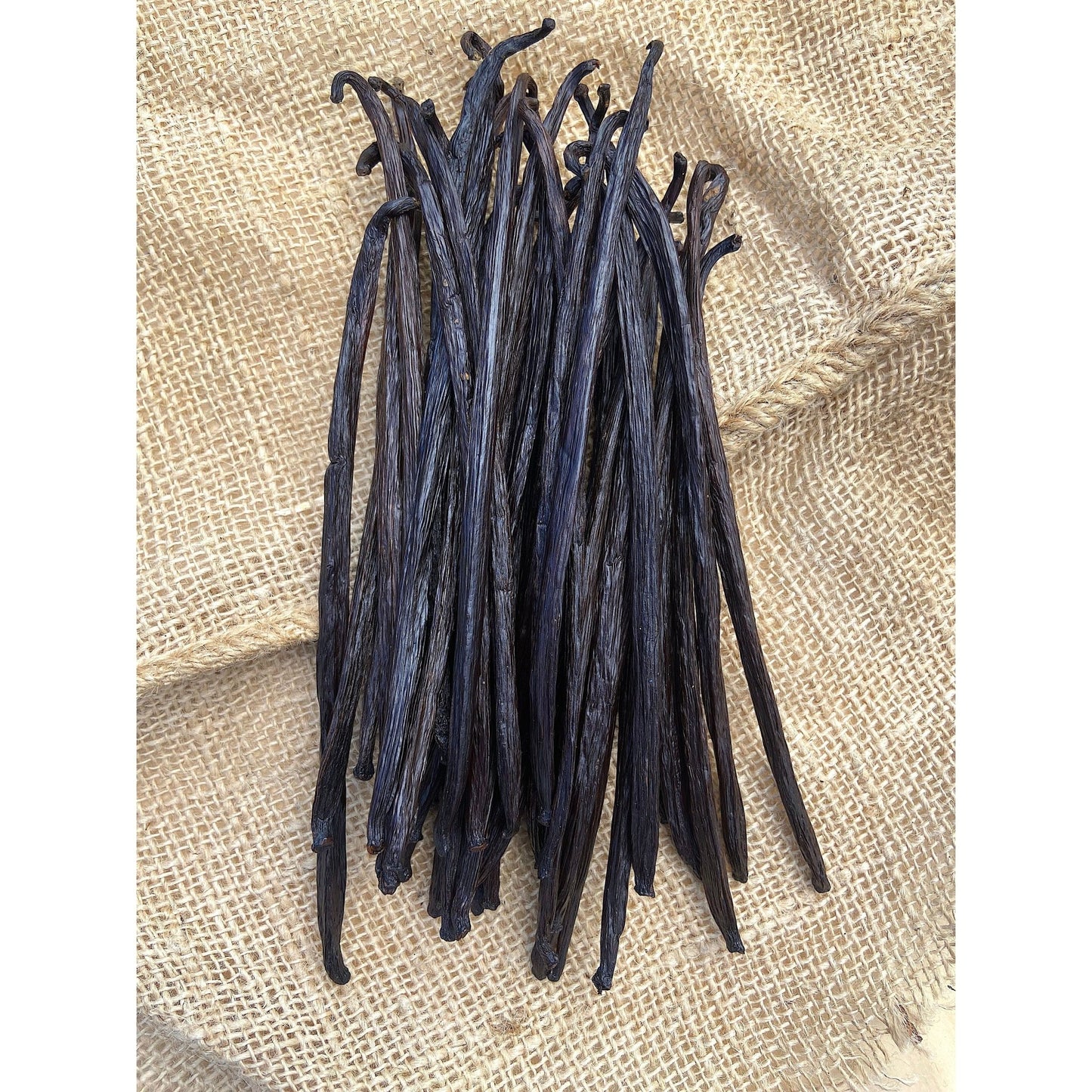
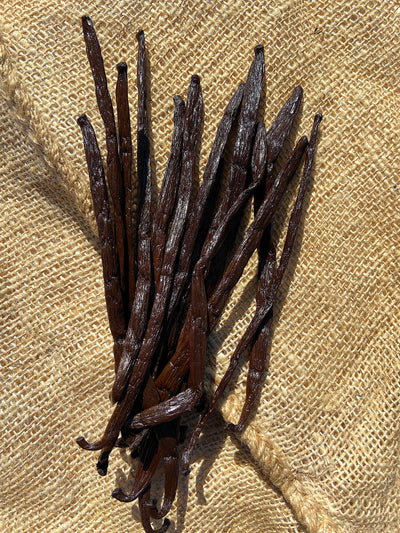
Papua New Guinea Vanilla - 18cm - PAPUA
Papua New Guinea Vanilla - 18cm - PAPUA
132 in stock
Couldn't load pickup availability
- Discover our Papua New Guinea Vanilla Beans.
- The PAPUA variety.
- Direct from the producer, 2025 harvest.
- Its woody notes, smoky taste.
- Our pods measure 18cm.
- Delivered in an airtight and reusable bag.
Quality guarantees :
- - Category "A1 unsplit"
- - Systematic analysis of vanillin content (between 1.6 to 2.2%)
- - Systematic analysis of water content (between 25 and 30%) ;
- - Whole, healthy, supple and full pods ;
- - Traceability and quality analysis of each batch produced ;
- - Packaged by us in the Occitanie region.
Traceability and quality analysis of each batch produced :
- Best Before Date : 12/2027
(Date until which your product retains all its qualities, provided it has been stored in good conditions. Products past their best before date can be consumed without risk to the consumer).
- Origin : Papua New Guinea
- Lot No. : VDP SI PAP 1000
CHARACTERISTICS :
- Trade name : Papua New Guinea Vanilla
- Scientific name : Vanilla planifolia
- Grade : Gourmet, Black Unsplit (NNF)
- Origin : Papua New Guinea
- Length (cm) : 18 to 20 cm
- Vanillin content (%) : 1.6 to 2.2%
- Moisture content (%) : 25% to 30%
- Color : Black, Brown, Dark brown
- Quality : Unsplit
- Classification : Black Gourmet
- Packaging : Food vacuum bags.
- Best Before Date (DDM) : 24 months.
Vanilla is a living product, it loses its moisture
over time without losing its aromatic properties.
- Storage conditions : < 20°C.
Vacuum-sealed or wrapped in vanilla paper
in a tightly sealed box
after opening, away from light, humidity, and heat.
Avoid significant thermal shocks.
ORGANOLEPTIC CHARACTERISTICS :
Aspect / Appearance : Flexible, fleshy and supple pod
Color : Black, Brown, Dark brown
Pod weight : 2 to 6g
HISTORY :
Vanilla from Papua New Guinea is produced from the vanilla variety tahitensis, which is also known as Tahitian vanilla.
It is cultivated in the islands of Papua New Guinea and in some regions of Australia.
Tahitensis vanilla is characterized by its robust shape and pods that are shorter and thicker than Bourbon vanilla (planifolia).
It has a more fruity and less woody aroma than Bourbon vanilla.
It is important to note that vanilla from Papua New Guinea is still little known and little produced compared to other vanilla varieties, so the price is generally higher than Bourbon vanilla or Madagascan vanilla.
CULTIVATION :
- Vanilla plants are grown from seeds or cuttings.
- Vanilla plants are then transplanted into greenhouses or open fields, where they need a number of specific conditions to thrive, such as a warm and humid tropical climate, direct sunlight, and well-drained soil.
- Vanilla flowers must be hand-pollinated, as there are no insects to do it naturally in vanilla growing areas.
- It takes about 9 months for vanilla pods to mature after pollination.
- Vanilla pods are then harvested at maturity, then processed by maceration and drying to develop their aroma and flavor.
- Planifolia vanilla is considered one of the most expensive and rarest varieties of vanilla because it is a laborious and time-consuming process to cultivate.
Livraison
Livraison
Expédition sous 24h du lundi au vendredi. Livraison Colissimo en 48h. Offerte dès 69 € en France métropolitaine.
Conservation & fraîcheur
Conservation & fraîcheur
Conservez vos épices à l'abri de la lumière, de la chaleur et de l'humidité, dans un contenant hermétique — elles garderont ainsi tous leurs arômes plus longtemps.
Paiement & sécurité
Paiement & sécurité
Paiement 100% sécurisé par CB, PayPal et Apple Pay (SSL & 3D Secure). Vos données bancaires ne sont jamais stockées.
Partager